
Lawn & Garden
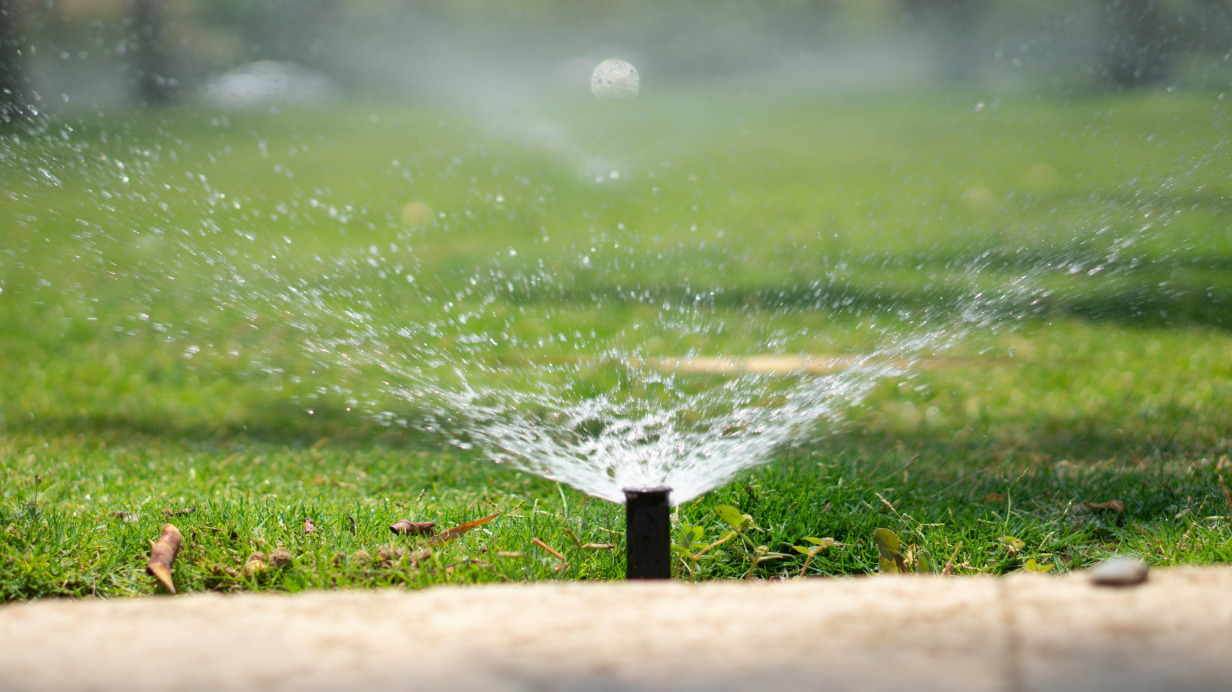
💧 Free Sprinkler Evaluation for Tarrant County Residents! 💧
" Your Better Yard"

Want a lush green lawn without the sky-high water bill? 🏠🌱
The Tarrant Regional Water District (TRWD) is offering FREE Residential Sprinkler System Evaluations to help you save water and money. Outdoor watering can account for 50% or more of your summer water use—make sure your system isn't literally pouring money down the drain!
What you get:
✅ A comprehensive inspection by a Licensed Irrigator.
✅ A check for leaks, broken heads, and misaligned spray patterns.
✅ Expert advice on your controller settings and watering schedule.
✅ A detailed report with personalized recommendations.
The best part? It’s completely free, and the irrigator isn’t there to sell you anything—just to help you be more efficient.
Slots are limited and often fill up fast, so don’t wait until the Texas heat hits! ☀️
👉 Sign up here: https://savetarrantwater.com/sprinkler-evaluation/
#SaveTarrantWater #WaterConservation #TexasGardening #TarrantCounty #SmartWatering #SaveMoney
Elevate your curb appeal while saving every drop! Save Tarrant Water’s "Your Better Yard" is the ultimate North Texas guide to high-style, low-maintenance landscaping. Whether you're dreaming of a lush pollinator paradise or a rugged, water-wise escape, this site delivers expert hacks on native Texas plants, smart irrigation, and DIY fixes. It’s time to stop overwatering and start growing a stunning, sustainable yard that thrives in the Texas heat!
9 Tips to Keep Your Lawn Green and Healthy
These 9 tips may help for a healthier, greener lawn:
- Aerate: Remove soil plugs to let air and nutrients reach the roots.
- Water Properly: Deep, consistent watering is key.
- Mow Dry: Never mow when the grass is wet.
- Correct Height: Keep grass between 2 and 3 inches.
- Fertilize: Use affordable natural fertilizers to nourish the soil.
- Sharp Blades: Ensure mower blades are sharp for a clean cut.
- Weed Control: Regularly pull weeds by the root for best results.
- Grass Cycle: Leave clippings on the lawn to return nitrogen and minerals.
- Manage Pet Spots: Quickly address and repair damage from pets.
Winter Lawn Prep
The Home Depot outlines essential steps to prepare your lawn during the fall for a healthy return in the spring. Key tips include:
- Mowing and Watering: Continue mowing until the grass stops growing in late fall/ at least half an inch of water weekly
- Fertilizing: Apply a winter prep fertilizer in September or October.
- Aeration: If the thatch layer exceeds half an inch, aerate the lawn to loosen compacted soil.
- Dethatching: For thick thatch layers, use a power dethatcher and rake away the debris.
- Overseeding: Fall is an ideal time to overseed thin areas. As summer weeds die off, new grass has more space to sprout and establish itself for a vigorous spring
Bermuda Grass vs St Augustine: What Are The Differences?
Selecting the right grass type may improve your lawn by matching its strengths to your specific environment and lifestyle. Bermuda grass may be best for low water costs and high foot traffic due to its drought resistance and durability, while St. Augustine thrives in varied soil types and retains its green color longer into the cooler months. By choosing a variety that fits your yard's conditions, you may achieve a thicker, more resilient lawn that naturally suppresses weeds and lowers maintenance costs.
Share Your Vision for Our Community
Our board is dedicated to continuous improvement. If you have a suggestion or a success story that could help our community thrive, we’d love to hear from you.

